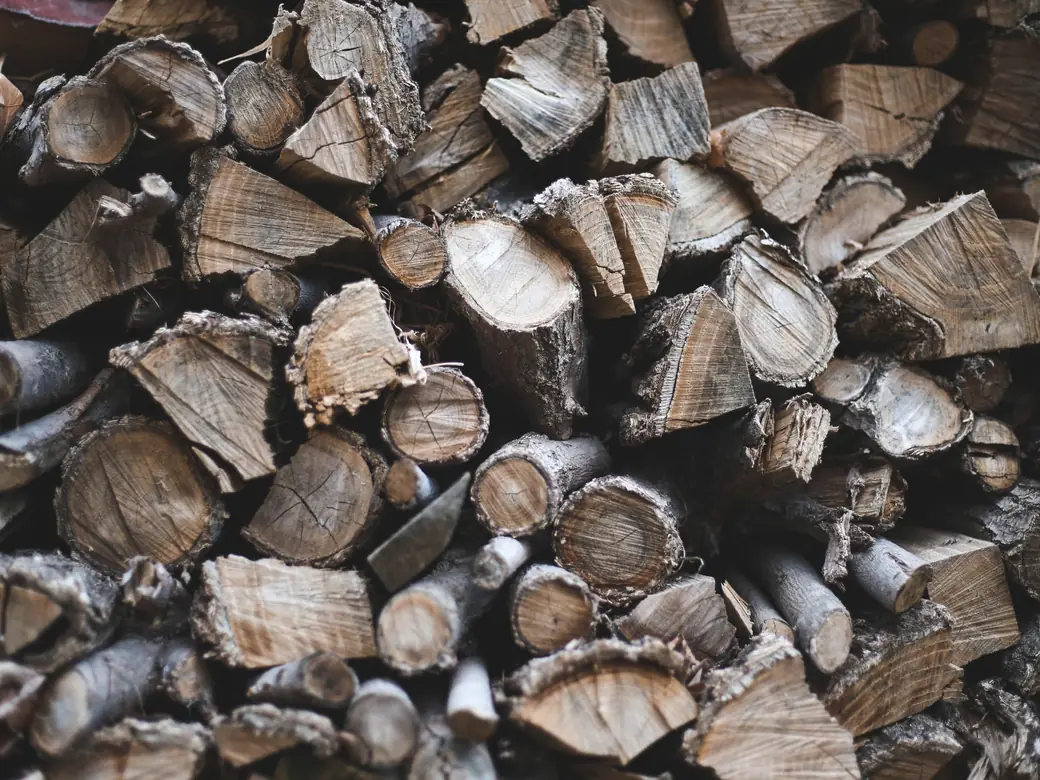
Cut Logs
Whole and bucked logs from removed city trees, waiting to be milled.
Cut Logs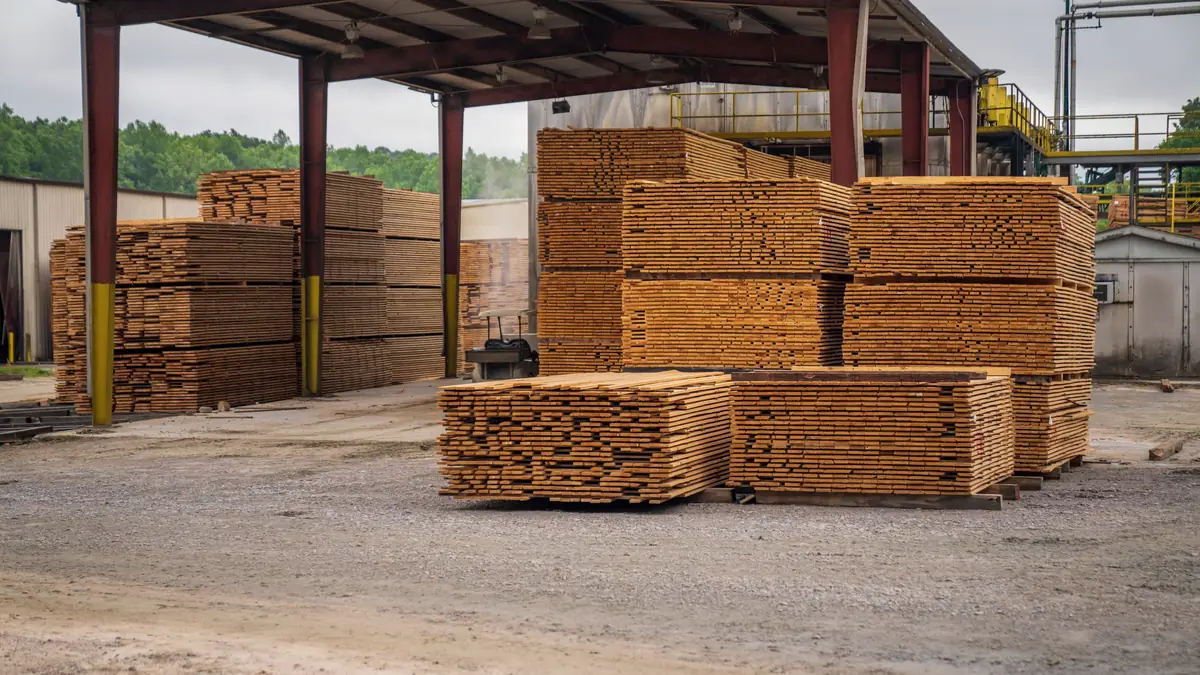
Urban wood is lumber milled from trees that grew in cities, towns and suburbs instead of in a managed forest. When a street tree, yard tree or park tree is removed after a storm, disease or construction, its trunk can be sawn into boards and slabs rather than chipped for mulch or sent to a landfill. The Urban Wood Exchange is an independent reference that brings this idea together for the Southeast: what urban lumber is, where it comes from, and how people across the region recover and use it.
Across the urban lumber Southeast community, the same trees that shade a neighborhood can become a dining table, a bench or a floor. Our role is simple: to explain the categories, species and events so readers can find and verify local urban wood on their own. We do not sell lumber, take listings or publish anyone else's contact details.
Urban wood activity follows the seasons. Below are the recurring kinds of events held around the region. These are event types, not specific dated listings; confirm any real event with its organizer through official local sources.
For a fuller explanation of each event type and how to find them locally, see our events calendar guide once it is published.
The directory groups urban wood into plain categories so you can picture the market before you reach out to a local sawyer. Availability differs by state and city, but the categories below appear throughout the Southeast.
Whole and bucked logs from removed city trees, waiting to be milled.
Cut Logs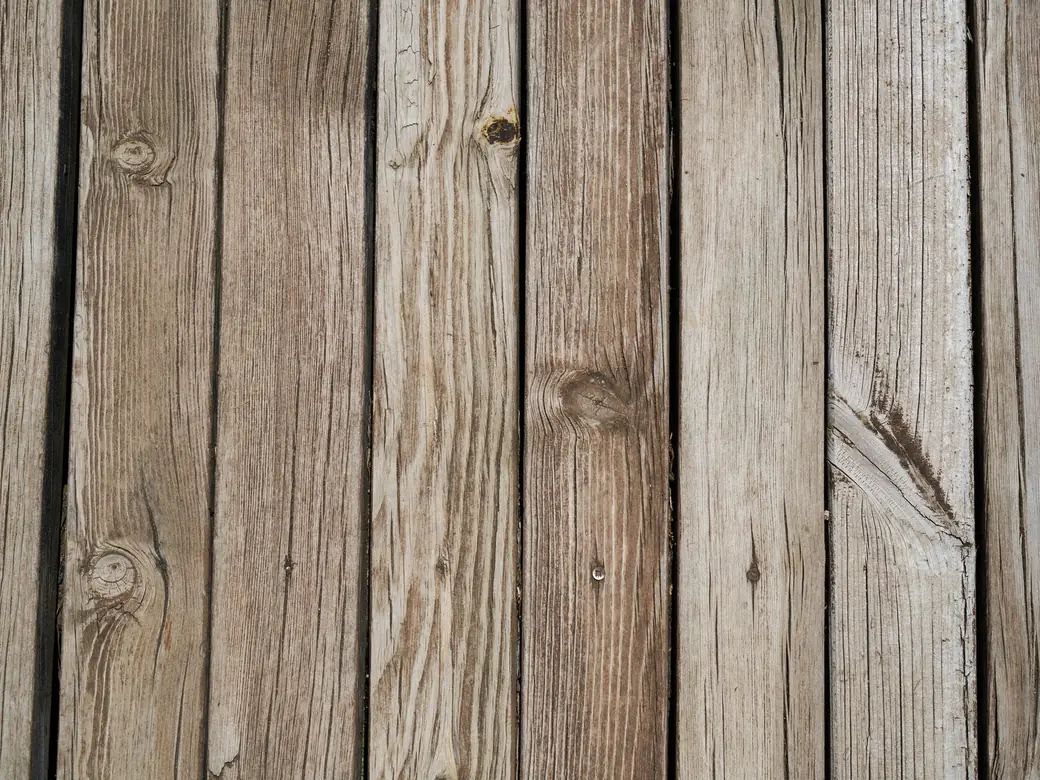
Boards and slabs sawn from urban hardwood, air or kiln dried.
Milled Lumber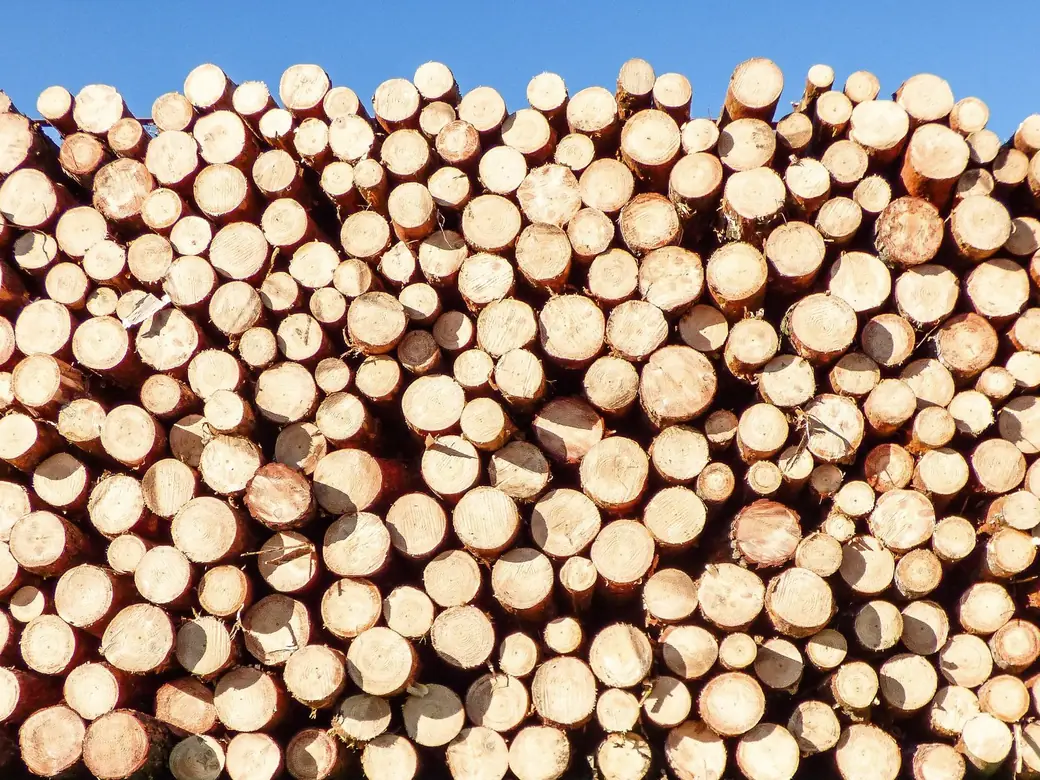
Offcuts and lower grade wood used for heat, smoking or mulch.
Firewood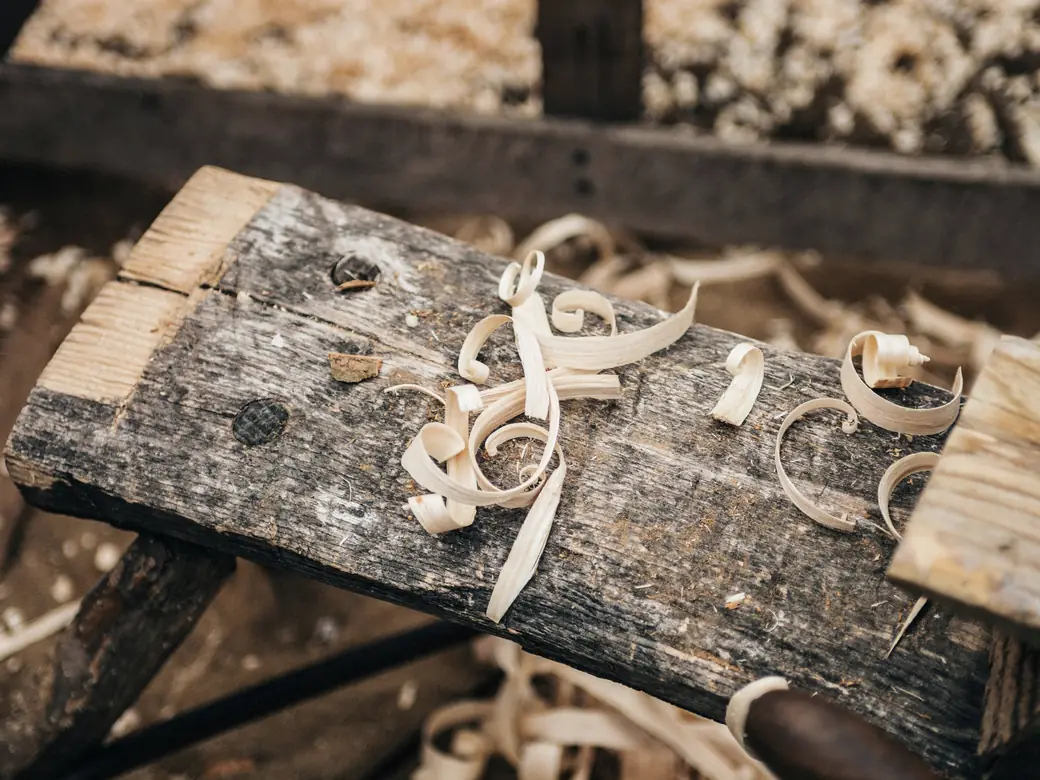
The step that turns a raw log into stable, usable boards.
Processing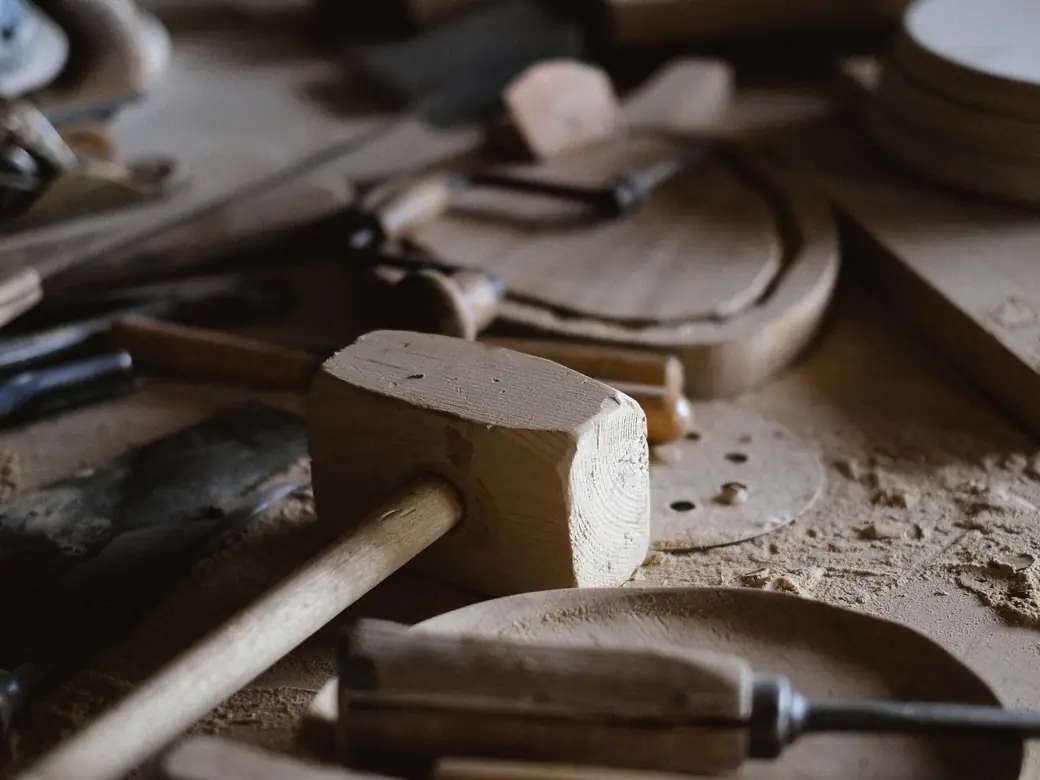
Hand and shop tools and the classes that teach their use.
Workshops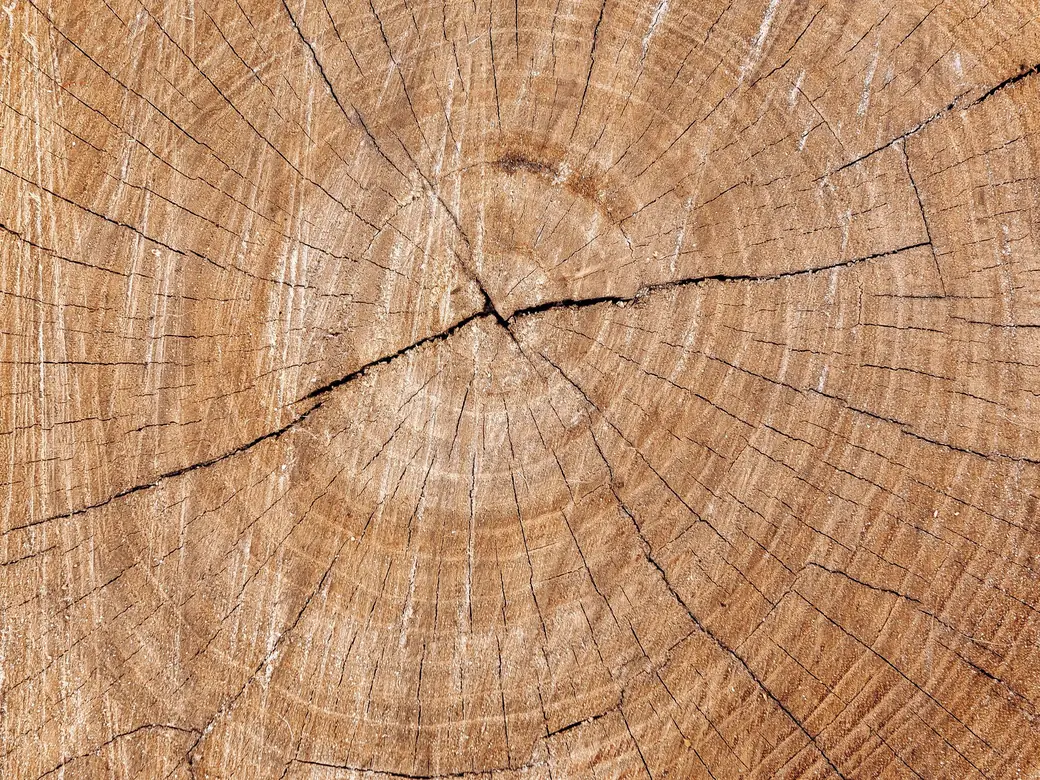
Reading rings, color and figure to choose the right wood.
SpeciesThe Southeast yields a wide mix of species. Oak and hard maple are prized for strong furniture; softer maples, sweetgum, hackberry and elm turn up often from yards and streets; pine is common and easy to work for indoor projects. Each species has its own color, grain and working habits, which our species guide covers in detail.
Turning a city tree into lumber takes a few clear steps: bucking the trunk to length, scanning for embedded metal, milling the log into boards or slabs, and drying the wood to a stable moisture content before it is built with. Air drying follows a rough rule of about a year per inch of thickness, while a kiln is faster. Our processing guide walks through equipment, drying and common defects.
Reliable, non-commercial guidance on urban wood comes from public bodies: state forestry and urban and community forestry programs, regional urban wood networks, and professional arborist and forester associations. Our resources guide points to the kinds of organizations worth trusting and explains how to tell official information from marketing.
Everything on this site is compiled from open sources by our editorial team. If you spot an error, tell us through the feedback form.